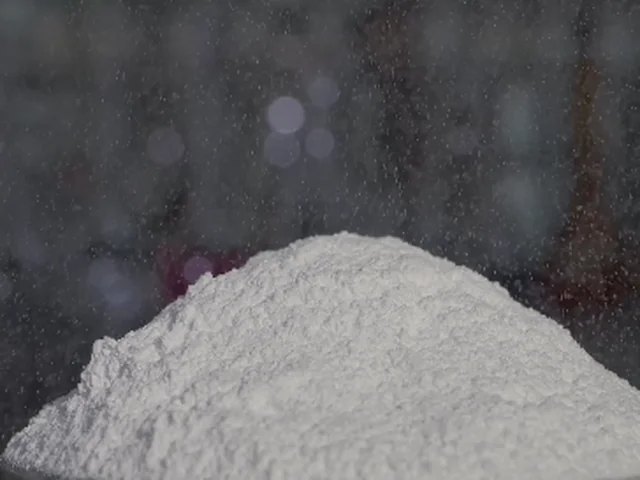
Dairy fortification calcium carbonate is the process of adding calcium carbonate to dairy products to increase their calcium content. This mineral is a common, cost-effective source of calcium, widely used to enhance the nutritional value of milk, yogurt, and cheese.

Why is calcium carbonate used in dairy fortification?
Calcium carbonate is chosen for its high calcium concentration (about 40% elemental calcium), low cost, and neutral taste. It disperses well in liquid and semi-solid dairy products, making it ideal for fortification without altering flavor or texture.
What are the benefits of fortifying dairy with calcium carbonate?
Fortification helps address calcium deficiencies, supports bone health, and meets regulatory requirements in some regions. It allows manufacturers to offer products with higher calcium levels, appealing to health-conscious consumers.
How do you choose a reliable calcium supplier?
When selecting a calcium supplier, consider purity, particle size, and certifications. In China, many calcium manufacturers produce high-quality calcium carbonate for food applications. For instance, china calcium salts are known for their consistent quality and competitive pricing.
What should you consider when fortifying dairy products?
Ensure the calcium carbonate is food-grade and meets safety standards. The addition rate should comply with local regulations, typically not exceeding 0.5% of the product weight. Also, monitor for any sedimentation or texture changes.
Are there any challenges with dairy fortification?
Challenges include potential sedimentation, impact on taste, and interactions with other ingredients. However, with proper formulation and high-quality calcium carbonate, these issues can be minimized.
常见问题
Is calcium carbonate safe for dairy fortification?
Yes, food-grade calcium carbonate is generally recognized as safe (GRAS) by regulatory agencies when used according to good manufacturing practices. It is widely used in many food products, including dairy.
How much calcium carbonate should be added to milk?
The amount varies by product and local regulations, but typical addition rates range from 0.1% to 0.5% by weight. It's best to consult regulatory guidelines and conduct sensory tests to ensure quality.
Can calcium carbonate affect the taste of dairy products?
Calcium carbonate is virtually tasteless and odorless, so it generally does not affect the flavor of dairy products when used at recommended levels. However, excessive amounts may cause a chalky texture.