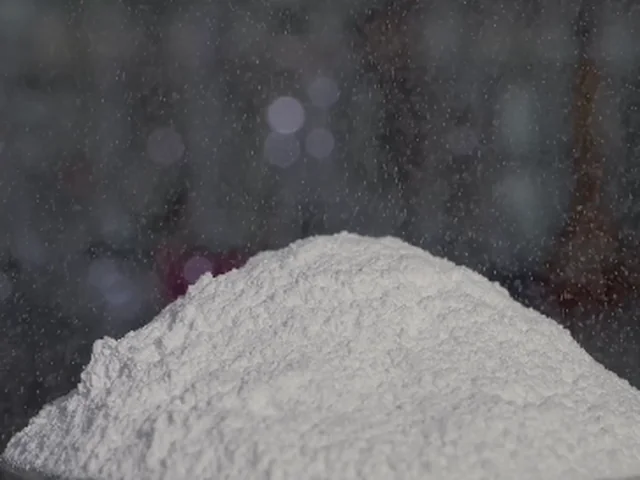
Dairy fortification with calcium carbonate is the practice of adding this common, cost-effective calcium salt to milk, yogurt, and other dairy products to increase their calcium content. It helps manufacturers meet nutritional claims and address dietary calcium gaps without significantly altering taste or texture.
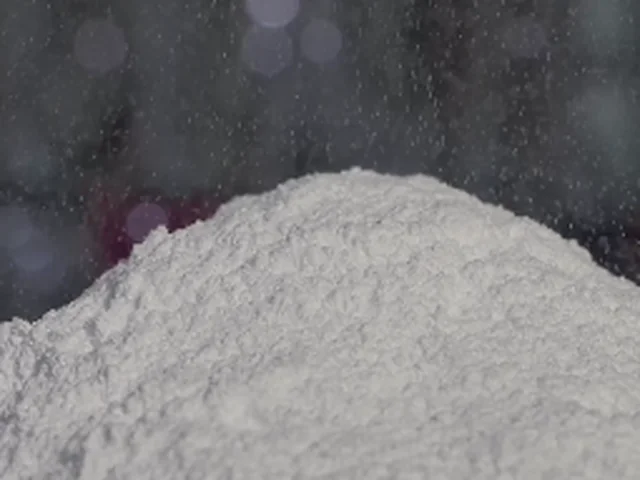
Why use calcium carbonate in dairy fortification?
Calcium carbonate offers a high elemental calcium content—about 40% by weight—making it an efficient fortificant. It is also widely available, stable, and generally recognized as safe, which keeps formulation costs low. In many markets, including China, calcium salts such as calcium carbonate are standard choices for dairy enrichment.
How is calcium carbonate added to dairy products?
Calcium carbonate is typically dispersed in a slurry or dry-blended before homogenization. For liquid milk, micronized grades are preferred to prevent sedimentation and maintain a smooth mouthfeel. In yogurt and processed cheese, it can be added during mixing, but pH and heat stability must be considered to avoid protein coagulation.
What should you look for in a calcium supplier?
Selecting a reliable calcium manufacturer is critical for consistent quality and safety. Look for suppliers that provide food-grade certification, narrow particle-size distribution, and low heavy-metal limits. A reputable calcium supplier will also offer technical support to help optimize dosage and avoid interactions with other ingredients.
Are there any challenges with calcium carbonate fortification?
Yes—calcium carbonate can settle in low-viscosity liquids and may impart a chalky texture if particle size is too coarse. It can also react with acidic components, releasing carbon dioxide. Formulators should test stability and sensory properties, and adjust dosage to stay within regulatory limits for the target market.
How much calcium carbonate should be added?
The dosage depends on the desired calcium claim and the product's base calcium level. As a rule, 1 gram of calcium carbonate provides about 400 mg of elemental calcium. Manufacturers should calculate additions to meet local labeling regulations without exceeding safe upper intake levels.
常见问题
Is calcium carbonate safe for dairy fortification?
Yes, food-grade calcium carbonate is widely recognized as safe and is approved for use in many countries. It is one of the most common calcium sources used in dairy fortification.
Can calcium carbonate affect the taste of milk?
At recommended dosages, calcium carbonate is generally neutral in taste. However, excessive amounts or coarse particles can create a chalky mouthfeel, so micronized grades are preferred.
How do I choose a calcium carbonate supplier for dairy?
Choose a supplier that offers food-grade certification, consistent particle size, and low heavy-metal content. Reliable suppliers also provide technical documentation and support for dairy applications.