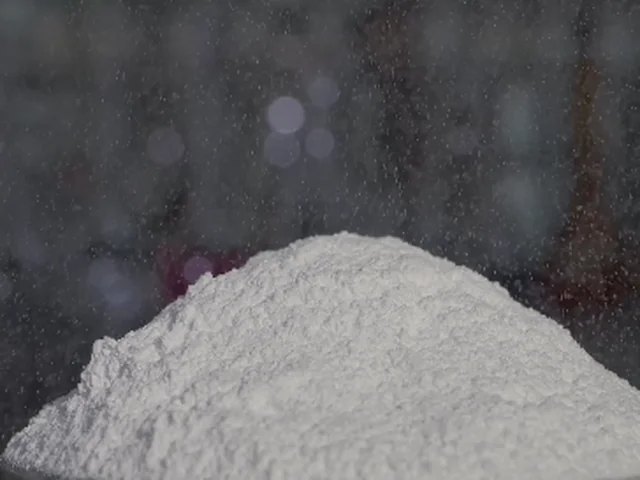
Bio-source calcium carbonate food additive is a naturally derived mineral obtained from renewable biological materials such as oyster shells, eggshells, or algae, rather than from mined limestone. It serves as a calcium fortifier, anti-caking agent, and acidity regulator in foods, offering a sustainable alternative for manufacturers.

Why choose bio-source calcium carbonate over conventional?
Bio-source calcium carbonate provides the same functional benefits as mined versions but with a lower environmental footprint. It supports circular economy principles by upcycling waste shells, and it appeals to consumers seeking clean-label, eco-friendly products. Many food producers now prioritize it to meet sustainability goals.
How is bio-source calcium carbonate produced?
Production involves collecting biological waste, cleaning it, and processing it into a fine powder. The resulting additive meets food-grade purity standards. Unlike mining, this process avoids habitat destruction and reduces carbon emissions. It is a key example of how bio-based ingredients are transforming the food industry.
Where to source bio-source calcium carbonate?
When selecting a calcium supplier, verify certifications such as FSSC 22000 or ISO 22000. A reputable calcium manufacturer will provide full traceability and consistent quality. For buyers in Asia, china calcium salts producers are increasingly offering bio-source options, making it easier to integrate sustainable calcium into your supply chain.
Is bio-source calcium carbonate safe for consumption?
Yes, when produced under Good Manufacturing Practices, it is safe and approved by food safety authorities. It is chemically identical to conventional calcium carbonate, so it poses no additional health risks. Always source from trusted suppliers to ensure purity.
常见问题
What foods use bio-source calcium carbonate?
It is commonly used in baked goods, dairy alternatives, cereals, and supplements. It acts as a calcium fortifier and anti-caking agent. You'll also find it in organic and natural food products.
Is bio-source calcium carbonate more expensive?
Costs vary by source and volume, but prices are becoming competitive as demand grows. While it may carry a slight premium, the sustainability benefits often justify the investment. Check with multiple suppliers for the best rates.
How does bio-source calcium carbonate differ from mined?
Chemically, they are identical. The difference lies in origin: bio-source comes from renewable biological waste, while mined comes from quarries. Bio-source is preferred for its lower environmental impact and circular economy appeal.