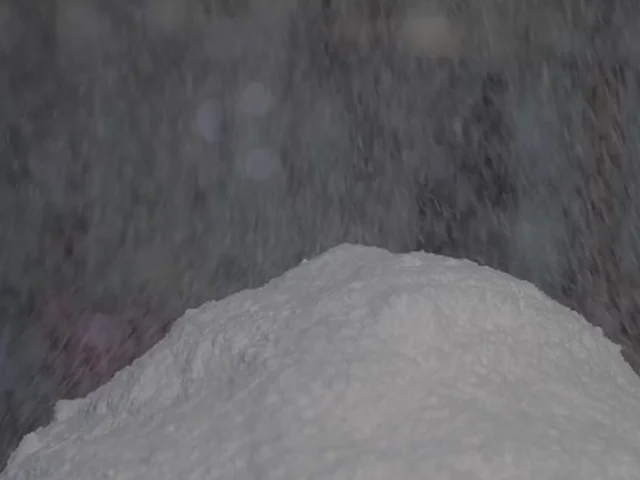
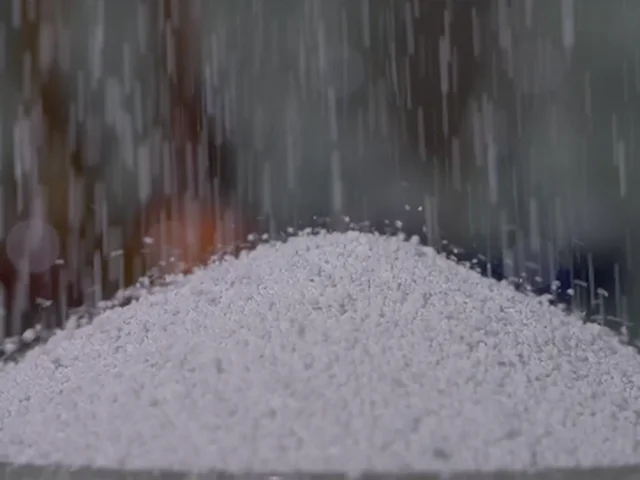
Calcium carbonate precipitated food grade is a high-purity, synthetically produced form of calcium carbonate (CaCO3) that meets strict food safety standards. Unlike ground limestone, it is manufactured through a controlled precipitation process, resulting in fine particles with consistent quality. This makes it ideal for food, pharmaceutical, and nutritional applications.
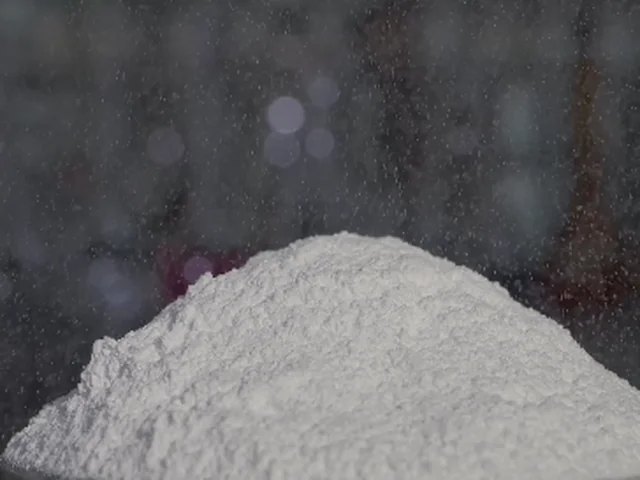
What is calcium carbonate precipitated food grade used for?
In the food industry, it serves as a calcium fortifier in products like plant-based milks, cereals, and baked goods. It also acts as an acidity regulator, dough conditioner, and anti-caking agent. Because of its high bioavailability and neutral taste, it is a preferred source of dietary calcium.
How is it produced and why does purity matter?
Production involves carbonating a calcium hydroxide slurry, then filtering and drying the precipitate. This yields a product with low levels of heavy metals and other contaminants. Food-grade specifications typically require at least 98% CaCO3 and compliance with regulations such as FCC or E170.
How do you choose a reliable calcium supplier or manufacturer?
Look for suppliers with documented quality systems, such as ISO or FSSC 22000 certification. Many buyers turn to china calcium salts producers for cost-effective, high-volume supply. A reputable calcium manufacturer will provide a certificate of analysis (CoA) for each batch. Working with an experienced calcium supplier ensures consistent particle size, purity, and timely delivery.
What are the key benefits of precipitated food grade?
- High purity and consistent particle size
- Excellent bioavailability for calcium fortification
- Neutral taste and odor
- Compliance with food safety regulations
In summary, calcium carbonate precipitated food grade is a versatile, safe ingredient for fortification and processing. Always verify certifications and batch documentation when sourcing.
常见问题
Is precipitated calcium carbonate safe to eat?
Yes, when it meets food-grade standards. It is approved as a food additive (E170) in many regions and is generally recognized as safe. However, it should be used within regulatory limits and sourced from reputable suppliers.
What is the difference between ground and precipitated calcium carbonate?
Ground calcium carbonate is mined and milled from limestone, while precipitated calcium carbonate is chemically synthesized. Precipitated grades are typically purer, finer, and more uniform, making them suitable for food and pharmaceutical use.
How should I store calcium carbonate precipitated food grade?
Store it in a cool, dry place in tightly sealed containers to prevent moisture absorption and contamination. Avoid exposure to strong acids or excessive heat. Proper storage maintains its free-flowing properties and shelf life.