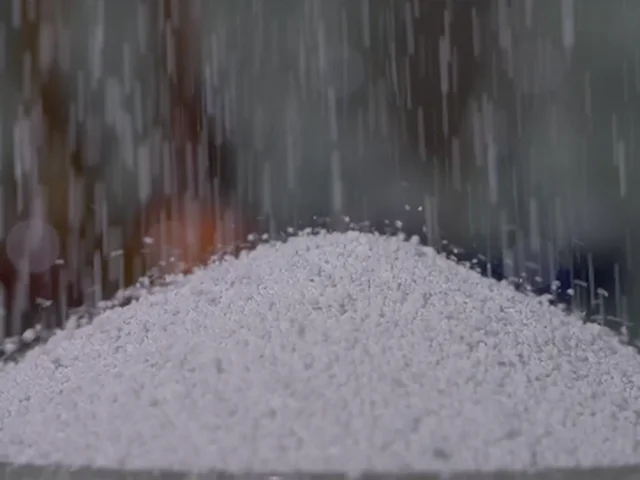
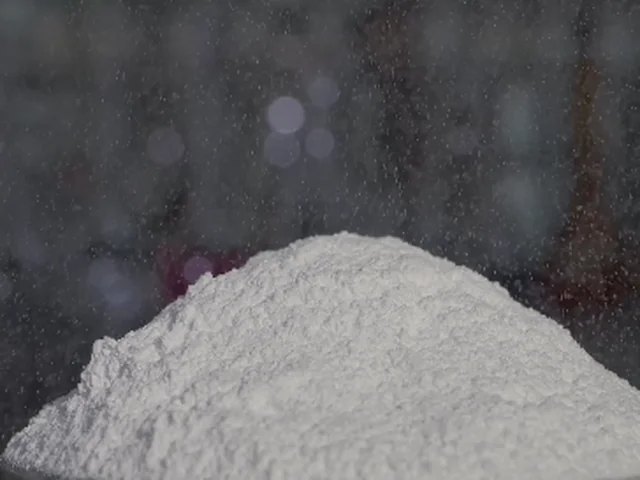
A food grade calcium oxide manufacturer produces high-purity calcium oxide (CaO) that meets strict safety and quality standards for use in food processing, fortification, and pH adjustment. Unlike industrial-grade lime, food grade CaO must comply with regulations such as FCC (Food Chemicals Codex) or E number E529, ensuring it is free from harmful contaminants like heavy metals.
What makes a calcium oxide manufacturer food grade certified?
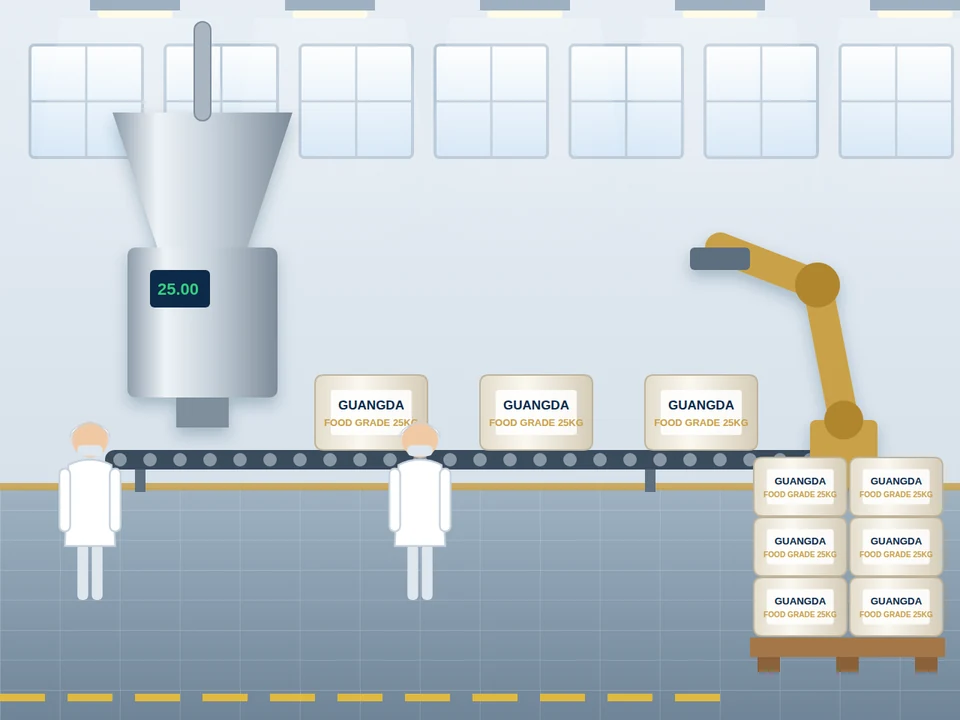
A food grade calcium oxide manufacturer must follow Good Manufacturing Practices (GMP) and hold certifications like ISO 22000 or FSSC 22000. They also provide a Certificate of Analysis (CoA) for each batch, verifying purity levels, particle size, and absence of contaminants. This documentation is essential for food and beverage companies that need traceability and regulatory compliance.
How do you choose a reliable calcium supplier?
When selecting a calcium supplier, consider their reputation, production capacity, and ability to deliver consistent quality. A good supplier will offer technical support, custom packaging, and timely logistics. Many buyers also look for a manufacturer with experience in exporting to regions with strict food safety laws, such as the EU or North America.
Why does sourcing from China matter for calcium salts?
China calcium salts production is significant due to the country's abundant limestone reserves and advanced manufacturing capabilities. However, not all Chinese suppliers meet international food grade standards. Partnering with a vetted calcium manufacturer in China can provide cost advantages, but you must verify their certifications and audit their facilities.
What applications use food grade calcium oxide?
Food grade calcium oxide is used in various applications, including as an acidity regulator in cocoa processing, a firming agent in canned vegetables, and a nutrient supplement in animal feed. It also serves in sugar refining and as a desiccant in food packaging. Its high reactivity and purity make it ideal for these sensitive uses.
In summary, choosing the right food grade calcium oxide manufacturer requires careful evaluation of certifications, quality control, and supply chain reliability. By prioritizing these factors, you ensure your products meet safety and performance expectations.
常见问题
What is the difference between food grade and industrial grade calcium oxide?
Food grade calcium oxide is produced with higher purity and stricter controls to meet food safety regulations, while industrial grade may contain contaminants unsuitable for human consumption. Food grade must comply with standards like FCC or E529.
How can I verify a food grade calcium oxide manufacturer's certifications?
Request copies of their ISO 22000, FSSC 22000, or other relevant certificates, and ask for a Certificate of Analysis for each batch. You can also check with accreditation bodies or third-party auditors to confirm validity.
What are the typical packaging options for food grade calcium oxide?
Common packaging includes 25 kg multi-wall bags, 1000 kg bulk bags, or custom-sized containers to prevent moisture ingress. Some suppliers offer nitrogen-flushed packaging for extended shelf life.