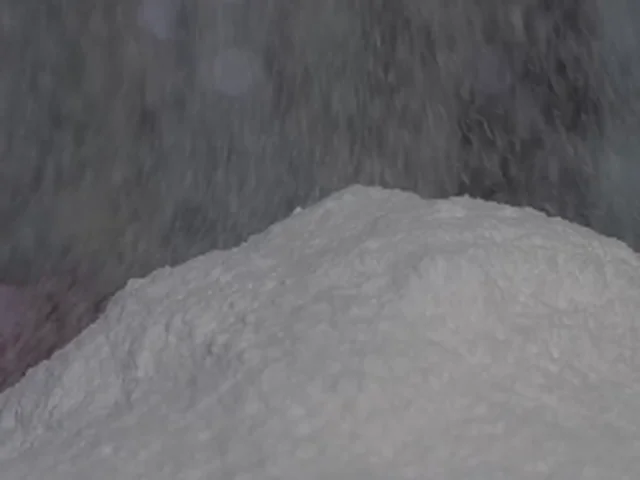
Bio-source calcium carbonate food additive is a food-grade mineral (E170) derived from renewable biological resources such as oyster shells, eggshells, or algae, rather than from quarried limestone. It serves as a calcium fortifier, anti-caking agent, and acidity regulator in foods and supplements.
What makes bio-source calcium carbonate different from mined calcium carbonate?
Mined calcium carbonate comes from geological deposits, while bio-source material is recovered from organic waste streams. This approach reduces mining impact and often yields a naturally porous, highly pure powder. The resulting additive meets the same food safety standards (e.g., E170, FCC) as conventional calcium carbonate.
How is bio-source calcium carbonate produced?
Production typically involves collecting shells or algae, cleaning them, and then calcining or milling them into a fine powder. Some processes use mild acids to dissolve the calcium and then precipitate it as high-purity calcium carbonate. The final product is tested for heavy metals and microbial safety before use.
Where is it used in food and beverages?
- Fortified plant milks, juices, and cereals
- Baked goods as a dough conditioner and calcium source
- Dietary supplements and antacid tablets
- Chewing gum and confectionery as a texturizer
Because it is bio-based, it appeals to clean-label and vegan formulations when sourced from non-animal origins like algae.
How do you choose a reliable bio-source calcium carbonate food additive supplier?
Look for documented purity, sustainable sourcing, and certifications such as ISO 22000 or FSSC 22000. A reputable calcium supplier should provide a certificate of analysis (CoA) for each batch. Many buyers also work with a calcium manufacturer that specializes in bio-based minerals to ensure consistent quality.
For bulk orders, consider the logistics and regulatory compliance of china calcium salts producers, who often offer competitive pricing and scalable supply. Always request samples and third-party test reports before committing to a long-term contract.
Is bio-source calcium carbonate safe and sustainable?
Yes, when produced under good manufacturing practices, it is safe for human consumption and approved in most regions. Its sustainability advantage lies in upcycling waste and reducing reliance on virgin mineral deposits. However, the actual environmental benefit depends on the energy used in processing and transport.
常见问题
Is bio-source calcium carbonate suitable for vegan products?
It can be, if the source is plant-based (e.g., algae) or if the shells are from sustainable, non-animal-derived processes. Always check with the supplier for vegan certification.
How does bio-source calcium carbonate compare in cost to mined calcium carbonate?
Bio-source versions often carry a premium due to collection and processing. However, prices vary by supplier and volume, so request quotes from multiple manufacturers.
What certifications should I look for in a bio-source calcium carbonate supplier?
Look for food safety certifications like ISO 22000, FSSC 22000, or BRC. Also ask for a certificate of analysis (CoA) and evidence of sustainable sourcing.