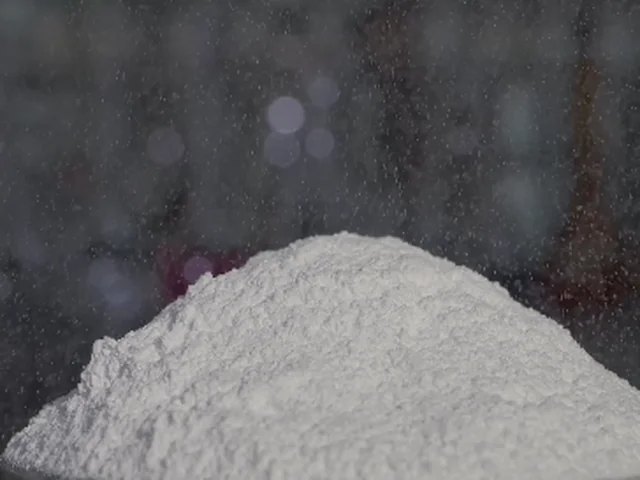
Calcium gluconate for dairy fortification is a highly soluble calcium salt used to increase the calcium content of milk, yogurt, and other dairy products without causing sedimentation or off-flavors. It is preferred over insoluble calcium sources because it disperses evenly and remains stable throughout the product's shelf life.
Why is calcium gluconate ideal for dairy fortification?
Calcium gluconate offers high bioavailability and neutral taste, making it suitable for both fresh and processed dairy. Unlike calcium carbonate, it does not chalky texture or require acidic conditions to dissolve. This makes it a go-to choice for fortified milk, flavored yogurts, and even cheese alternatives.
How does calcium gluconate compare to other calcium salts?
When selecting a calcium source, formulators weigh solubility, taste, and cost. Calcium gluconate provides a balanced profile, though it contains less elemental calcium by weight than calcium chloride. For many dairies, the trade-off is worth it for the clean label and consistent results. If you source from a reputable calcium manufacturer, you can ensure consistent particle size and purity.
What should you look for in a calcium supplier?
Quality and regulatory compliance are critical. A reliable calcium supplier should provide certificates of analysis, meet food-grade standards, and offer technical support. Many dairies turn to established china calcium salts producers for cost-effective, high-purity ingredients that meet international specifications.
How is calcium gluconate added to dairy products?
It is typically dissolved in a small amount of water or milk before being blended into the main batch. Addition rates depend on the target calcium level and local regulations. Always follow the supplier's recommended dosage to avoid over-fortification, which can affect taste or stability.
常见问题
Is calcium gluconate safe for lactose-intolerant individuals?
Yes, calcium gluconate itself is lactose-free. It is added to dairy products, so the base product may still contain lactose unless it is a lactose-free formulation.
Can calcium gluconate be used in organic dairy products?
It depends on organic certification standards. Some certifiers allow it as a permitted ingredient, while others restrict it. Always check with your certification body before use.
What is the typical usage level of calcium gluconate in milk?
Usage levels vary by product and desired calcium content, but they generally range from 0.1% to 0.5% by weight. Follow local regulations and supplier recommendations for precise dosing.