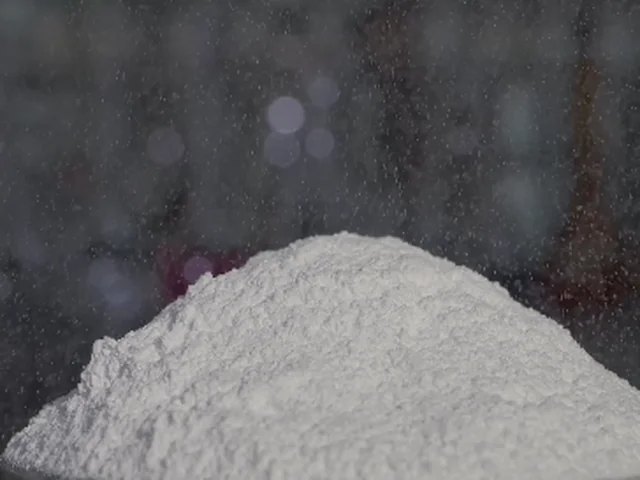
Anhydrous calcium acetate food grade powder is a white, odorless, free-flowing additive used in food processing as a sequestrant, buffer, and preservative. It is the dehydrated form of calcium acetate, meaning it contains no water of crystallization, so it offers a higher active calcium content per gram than the hydrate.

What is anhydrous calcium acetate food grade powder used for?
In food applications, it controls acidity and stabilizes texture in baked goods, beverages, and processed cheeses. It also acts as a calcium fortifier and can inhibit spoilage by binding metal ions that catalyze oxidation. Because it is highly soluble, it disperses evenly in dry mixes and liquid formulations.
How do you choose the right calcium supplier?
Selecting a calcium supplier involves verifying food-grade certification, purity, and particle size consistency. A reputable calcium manufacturer provides a certificate of analysis, heavy-metal testing, and traceability from raw material to finished lot. Many buyers also look for a supplier with experience in china calcium salts to ensure reliable, cost-effective sourcing.
What specifications should you check?
- Assay: typically 99% or higher on a dried basis
- Appearance: white, free-flowing powder with no caking
- Heavy metals: below regulatory limits for food use
- Solubility: readily soluble in water for uniform blending
Always confirm the product meets local food additive regulations, such as FCC or E263 specifications, before purchase. Request a sample to test flowability and taste impact in your specific application.
常见问题
Is anhydrous calcium acetate safe to eat?
Yes, food-grade anhydrous calcium acetate is considered safe when used according to good manufacturing practices. It is approved as a food additive (E263) in many regions, including the EU and US, for acidity regulation and calcium fortification. Always source from a supplier that provides a certificate of analysis to confirm purity.
How does anhydrous calcium acetate differ from calcium acetate hydrate?
Anhydrous calcium acetate contains no water molecules in its crystal structure, while the hydrate form does. This makes the anhydrous version more concentrated by weight, so less powder is needed to achieve the same calcium or buffering effect. It also tends to have a longer shelf life because it is less prone to moisture-related caking.
Can I use anhydrous calcium acetate in home baking?
It is not typically used in home baking; it is more common in industrial food processing. If you want to experiment, use only food-grade material and follow recipe guidelines carefully, as excess can impart a bitter or soapy taste. For consistent results, consult a professional formulator or the supplier's technical data sheet.